New Brunswick Locksmith Corp Service Team
Local locksmith team
Jun 23, 2026 10 min read
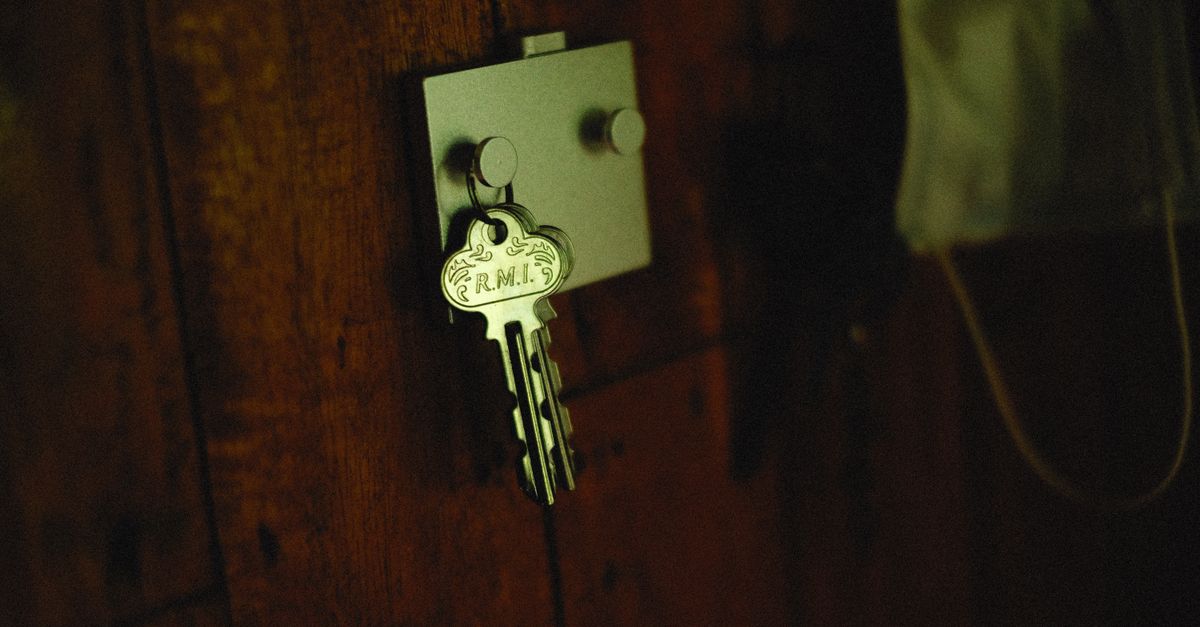
You just got the keys to your new place — whether it's a rowhouse off Albany Street, a rental unit near Rutgers, or a single-family home in one of New Brunswick's quieter residential pockets. Congratulations. But here's a question too many new homeowners and landlords skip: who else still has a copy of those keys? Former tenants, ex-owners, contractors, real estate agents — any one of them could have a duplicate you don't know about. Before you unpack a single box, your first call should be about your locks.
This guide is built to help you make a smart, informed decision between two solid options: rekeying your existing locks or replacing them with new hardware entirely. Both serve the same core goal — making sure only you control who gets in — but the right choice depends on your lock type, your budget priorities, and the condition of what's already on your door. We'll walk you through exactly how to think about it, including when a mortise lock changes everything.
## Why This Decision Matters More Than Most New Owners Realize
Most standard home sales and rentals involve multiple key handoffs before you ever arrive. The seller's agent has a lockbox code, the previous owner may have given spares to a neighbor or family member years ago, and a property manager might have master copies floating around an office. You have no way of tracking all of that. The good news is that you don't need to — you just need to render every existing key useless before you settle in. Rekeying or replacing your locks accomplishes exactly that, and doing it on move-in day is the single most cost-effective security upgrade you can make.
For landlords managing multi-unit properties in New Brunswick — especially around the George Street corridor or near the train station where tenant turnover is high — this isn't just a one-time decision. It's a recurring responsibility between every tenancy. A professional locksmith can handle rekeying quickly and systematically across multiple units, and having a go-to team you trust makes that process much less stressful each time.
## Rekeying Your Locks: What It Actually Involves and When It's the Right Call
Rekeying is the process of reconfiguring the internal pin tumblers of your existing lock cylinder so that the old key no longer works and a new key is cut to match the new configuration. The lock hardware itself — the deadbolt, the door knob lock, the strike plate — stays exactly where it is. A skilled locksmith disassembles the cylinder, replaces the driver pins with a new set sized to a different key cut, reassembles everything, and hands you fresh keys. Done correctly, it takes minutes per lock and leaves your door looking and functioning identically to before.
Rekeying makes the most sense when your existing hardware is in good shape, less than ten years old, and already a reputable grade — think a solid deadbolt with a Schlage or Kwikset cylinder in good working order. If the locks turn smoothly, the deadbolt throws cleanly, and there's no visible wear or damage, there's no mechanical reason to swap the whole unit. You're simply changing the key, not the lock. It's also the right move when you want to key multiple locks in your home to a single key — a process called master keying — so you're not juggling four separate keys for four separate doors.
## When a Mortise Lock or Worn Hardware Makes Full Replacement the Smarter Move
Not every lock on a New Brunswick home is a simple cylindrical deadbolt. Older properties — and this city has plenty of them, from Victorian-era homes in the Livingston Avenue area to pre-war apartment buildings that have been subdivided over decades — often feature mortise locks. A mortise lock is a more complex, full-body lock mechanism that fits into a deep rectangular pocket (the mortise) cut into the door edge, rather than simply boring through the face. These locks are extremely durable when maintained, but when they're aged, stiff, or showing wear, rekeying the cylinder alone may not solve the full problem. Replacing the mortise lock assembly entirely — or at minimum the cylinder within it — is often the more thorough solution, and it's a job that genuinely calls for an experienced locksmith who knows mortise lock hardware.
Beyond mortise lock situations, full replacement is the right call when: the existing hardware is visibly damaged, the lock was involved in a break-in attempt, the deadbolt has loose throw or misalignment, or you simply want to upgrade your security grade. Higher-security locks with anti-pick, anti-drill, and anti-bump features are only available as new hardware — rekeying can't add those features to an older, lower-grade cylinder. If you're moving into a property where the exterior doors have basic builder-grade door knob locks with no separate deadbolt, that's also a strong signal to replace rather than rekey. A door knob lock alone, without a deadbolt, is not adequate primary security for a New Brunswick home.
## How Locksmiths Price Rekeying vs. Replacement — and What to Ask Before Work Starts
One of the most common questions we hear is some variation of 'How much does a locksmith cost in NJ?' or 'How much does a local locksmith charge?' — and the honest answer is: it depends on several specific factors, and any trustworthy locksmith will give you an exact price before touching anything. For rekeying, the factors that shape your quote include the number of locks being rekeyed, the lock brand and cylinder type (a mortise lock cylinder is more involved than a standard deadbolt), and whether you need keys duplicated. For full replacements, the hardware grade you choose, the number of doors, and whether any door prep work is needed all affect the final number. Time of day matters too — emergency locksmith calls outside of standard business hours involve after-hours labor, which is standard practice industry-wide.
Our team at New Brunswick Locksmith Corp confirms an exact, up-front price before any work begins — no surprise charges when the job is done. If you're uncertain whether to rekey or replace, a quick phone assessment or an on-site look at your current hardware is usually all it takes to give you a clear recommendation. Call us at 732-392-7244 and we'll talk you through it before you commit to anything. We're a 24/7 mobile operation, so whether you're moving in on a Sunday morning or dealing with a last-minute tenant changeover on a Friday night, we can be there.
## A Complete Look at What New Brunswick Locksmith Corp Handles — Beyond Just Move-In Day
Our services cover the full range of residential, commercial, and automotive locksmith needs across New Brunswick and the surrounding area. Here's a specific look at what our mobile team handles: residential lock rekey and replacement, mortise lock repair and full mortise lock replacement, deadbolt installation and upgrade, door knob lock replacement, master key system setup for multi-unit properties, high-security lock installation, smart lock and keypad lock installation, lock repair for damaged or stiff mechanisms, sliding door lock installation, window lock installation, mailbox lock replacement, garage door lock service, safe opening and combination changes, commercial locksmith services for offices and retail spaces, commercial grade mortise lock installation, panic bar and exit device installation, access control system consultation, car key programming and transponder key cutting, laser-cut and high-security vehicle key duplication, lost key replacement for homes and vehicles, car lockout service, 24/7 lockout service for homes and businesses, emergency locksmith response for break-in damage, lock rekey after a lost or stolen key, and rekey service between tenancies for landlords. Whether it's a routine move-in rekey or an emergency locksmith call at 2 a.m., our team arrives equipped to handle it on the spot.
## What Locks Can Locksmiths Not Open, and Other Honest Answers to Common Questions
A question that comes up often — sometimes from people who've locked themselves out, sometimes from curious homeowners doing research — is 'What locks can locksmiths not open?' The straightforward answer is that a qualified locksmith can open the vast majority of residential and commercial locks through legitimate, non-destructive methods. High-security locks with advanced anti-pick and anti-manipulation features may take more time and specialized tools, but they are not off-limits to a professional. What we won't do is use forced or destructive entry unless it's genuinely the only option and you've verified ownership — and even then, we document and discuss it with you first. Our job is to get you in safely and legally, not to teach bypass techniques.
When it comes to 24/7 lockout service, the process is simple: we verify that you have a legitimate claim to the property (ID, lease, deed, or utility bill in your name), then we get to work using professional methods appropriate to your specific lock. For car lockout situations, the approach varies by vehicle make and year. How long does it usually take for a locksmith to come? Our mobile team covers New Brunswick and the surrounding area, and in most cases we arrive well within the hour — though response time depends on your exact location and current call volume. We'll give you an honest ETA when you call.
Frequently asked questions
How much does a locksmith cost in NJ for a basic rekey?+
There's no single flat answer because the final price depends on several factors: the number of locks being rekeyed, the type of cylinder involved (a standard deadbolt differs from a mortise lock), whether new keys need to be cut, and the time of day the work is performed. After-hours emergency locksmith calls involve after-hours labor rates, which is standard. What we always do is confirm an exact price with you before any work starts — so you know the full cost upfront with no surprises.
How long does it usually take for a locksmith to come to my location in New Brunswick?+
Our mobile team operates 24/7 and services New Brunswick and the surrounding area, so in most situations we're on-site well within the hour. The exact arrival time depends on your specific location, traffic, and how many calls are active at that moment. When you call 732-392-7244, we give you an honest ETA right away so you're not left guessing.
Can I just rekey my locks myself instead of calling a locksmith?+
Rekeying kits for basic cylindrical locks are sold at hardware stores, but using them correctly requires disassembling the lock cylinder, identifying the correct replacement pin sizes, and reassembling everything in the right order. A mistake during reassembly can leave the lock inoperable or — worse — easier to manipulate. For mortise locks, the complexity increases significantly, and a DIY attempt risks damaging a lock that may be expensive to replace. For most homeowners, the time saved and the certainty of a correctly keyed lock make a professional call the practical choice.
Should landlords rekey between every single tenancy?+
Yes, without exception. You have no way of knowing how many copies a departing tenant made of their key, or who they gave access to during their stay. Rekeying between tenancies is the baseline standard for responsible property management, and in some cases it may also be a factor in landlord liability if a future tenant experiences a break-in. New Brunswick Locksmith Corp works with local landlords regularly and can handle multi-unit rekeying efficiently — call 732-392-7244 to set up service for your property.