What Is a Mortise Lock and Why Does It Need Professional Service?
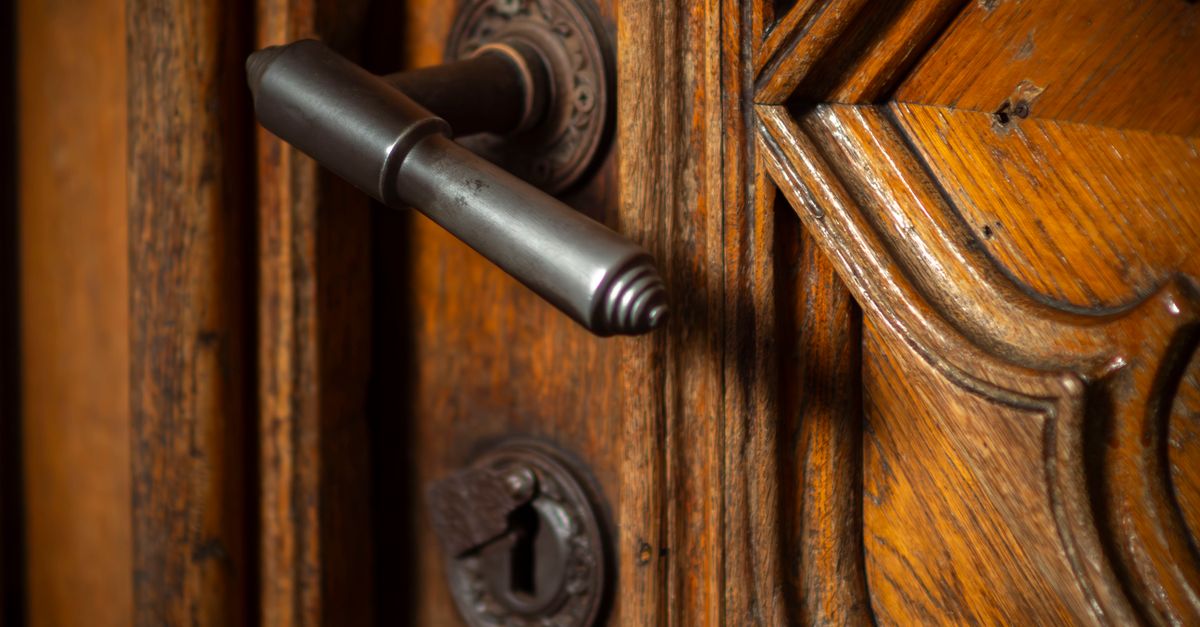
A mortise lock is a self-contained lock body that sits inside a rectangular pocket — the mortise — cut into the edge of a door. Unlike a cylindrical lockset that simply bores a round hole, a mortise lock set integrates the latch, deadbolt, and often a privacy or passage function into a single housing. That complexity is its strength: mortise locks are standard on older New Brunswick brownstones and pre-war apartment buildings, as well as on new commercial doors from George Street boutiques to Rutgers-adjacent office suites. They distribute force across a wider strike plate area, making them significantly harder to defeat by kicking or prying compared with a standard door knob lock.
Because the mechanism lives inside the door itself, wear is less visible but no less real. Springs fatigue, the latch cam shifts, the cylinder shell corrodes, and the tailpiece that connects the cylinder to the lock body can shear without warning. Our commercial locksmith technicians diagnose these failures by feel and function test, not guesswork. If you notice the handle becoming stiff, the latch not retracting cleanly, or the key turning without engaging the bolt, those are early signs the lock body or mortise lock cylinder needs attention — and early service almost always costs less than an emergency replacement after a complete failure.