What Lock Rekeying Actually Does — and When It's the Right Call
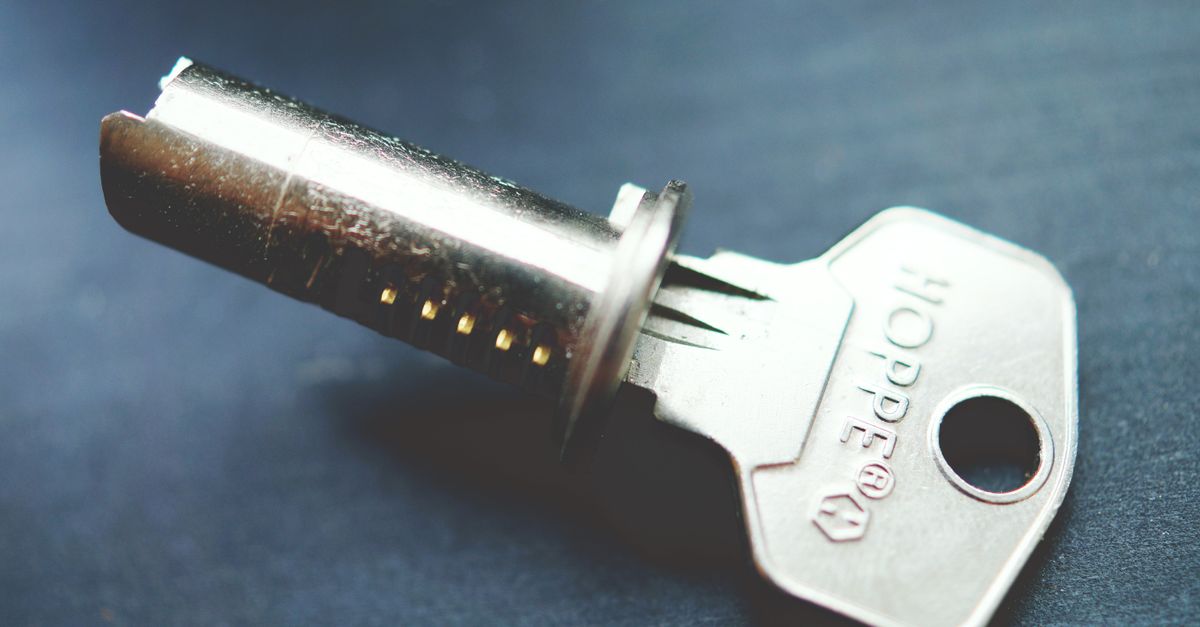
When a locksmith rekeys a lock, the internal pin tumbler configuration inside the cylinder is changed so that your old key no longer works and a freshly cut key is the only one that operates the lock. The lock body itself — the hardware on the door, the deadbolt housing, the strike plate — stays exactly where it is. This is especially valuable after a move-in, after ending a lease with a previous tenant, after a contractor or property manager has held a key, or after a lost key situation where you cannot account for every copy that was ever made. Because the bulk of the hardware stays in place, the process is typically faster and involves less disruption to your door than a full swap. Our technicians carry a wide inventory of rekey kits and pinning tools, so whether you have a Kwikset, Schlage, Yale, or another major brand installed, we can usually rekey on the first visit without a return trip for parts.
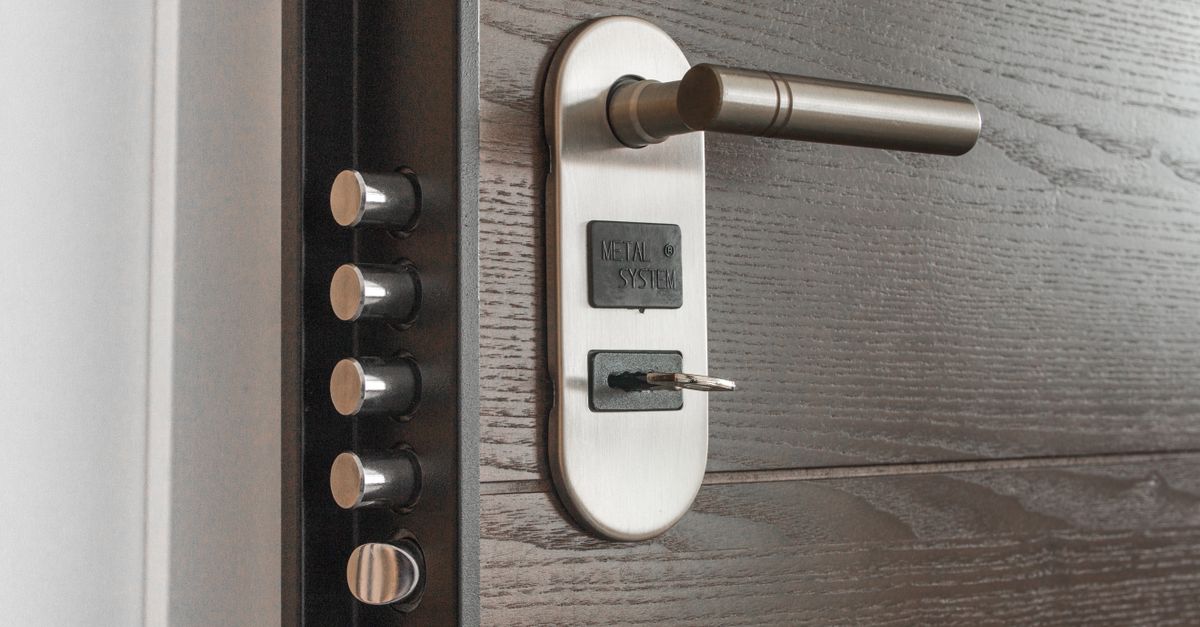
A full lock replacement becomes the smarter path when the existing hardware is worn, damaged, or simply outdated — for example, an older mortise lock with a stripped cam, a door knob lock with a broken spindle, or a deadbolt that has been forced at some point and no longer seats cleanly in the strike. In these cases, rekeying a compromised cylinder only gives the appearance of security. Our technicians will be honest with you: if the hardware warrants replacement rather than rekeying, we explain why before any work begins, and we carry a selection of replacement hardware so the job can be completed in a single visit.